Medical Animation And Illustration
Explain medical processes with impressive graphic designs, show the details
you want in your medication or operation presentations with animations

You can visualise the benefits of the medicine to the users and the interaction of the medicine with the body with 3D modelling, turn these images into short animations and inform users. You can prepare impressive posters and information brochures in activities such as fairs, meetings and parlays.
Surgical operations in every branch of medicine can be difficult to understand both for patients and during education. For this reason, surgical animations are widely used to inform before the operation by explaining the processes in a simpler and general way with their visual quality
Surgical animations can also be combined with real videos to create impressive presentations.
Her animasyon sürecinde olduğu gibi ilk olarak yapılacak animasyonun planlama süreci devreye alınıyor. Bu süreçte modellenecek organik ve mekanik modeller belirleniyor, senaryo hazırlanıyor, süre vb diğer değişkenlerin planlaması yapılıyor. Planlama sonrasında modelleme süreci buna müteakip animasyon ve görselleştirme süreçleri tamamlanıyor. Daha detaylı bilgi için : 3D Animasyon Nasıl Yapılır?

Presentations prepared by dentistry and maxillofacial surgery, such as dental operations, implants and fillings can be prepared both in animation and presentation. You can explain the operation in detail and give detailed information to patients and users.

Medical illustrations are powerful narrative tools for healthcare professionals and educators. They are widely utilized to depict detailed anatomical structures, explain drug mechanisms of action, and simplify the presentation of medical procedures.
Created using realistic, static visuals, these illustrations help translate complex biological processes into easily understandable content. They play a vital role in supporting both medical education and patient communication.
A medical animation project was developed for Plastic Surgeon Op. Dr. Muhsin Yılmaz, focusing on nerve regeneration using de-epithelialized human amniotic membrane.
Both 2D and 3D animation techniques were employed in the project to effectively visualize and communicate the scientific details of the process.
A 3D medical animation project prepared for the presentation of Associate Professor Dr. Özge Doğanay (DDS) began with the modeling of the skull and was refined through geometric modifications based on the doctor’s specific requests. The targeted muscle structure was carefully modeled and integrated into the animation. Jaw movement through the condyle was animated in accordance with the doctor’s physiological descriptions. The project was finalized with post-production processes.
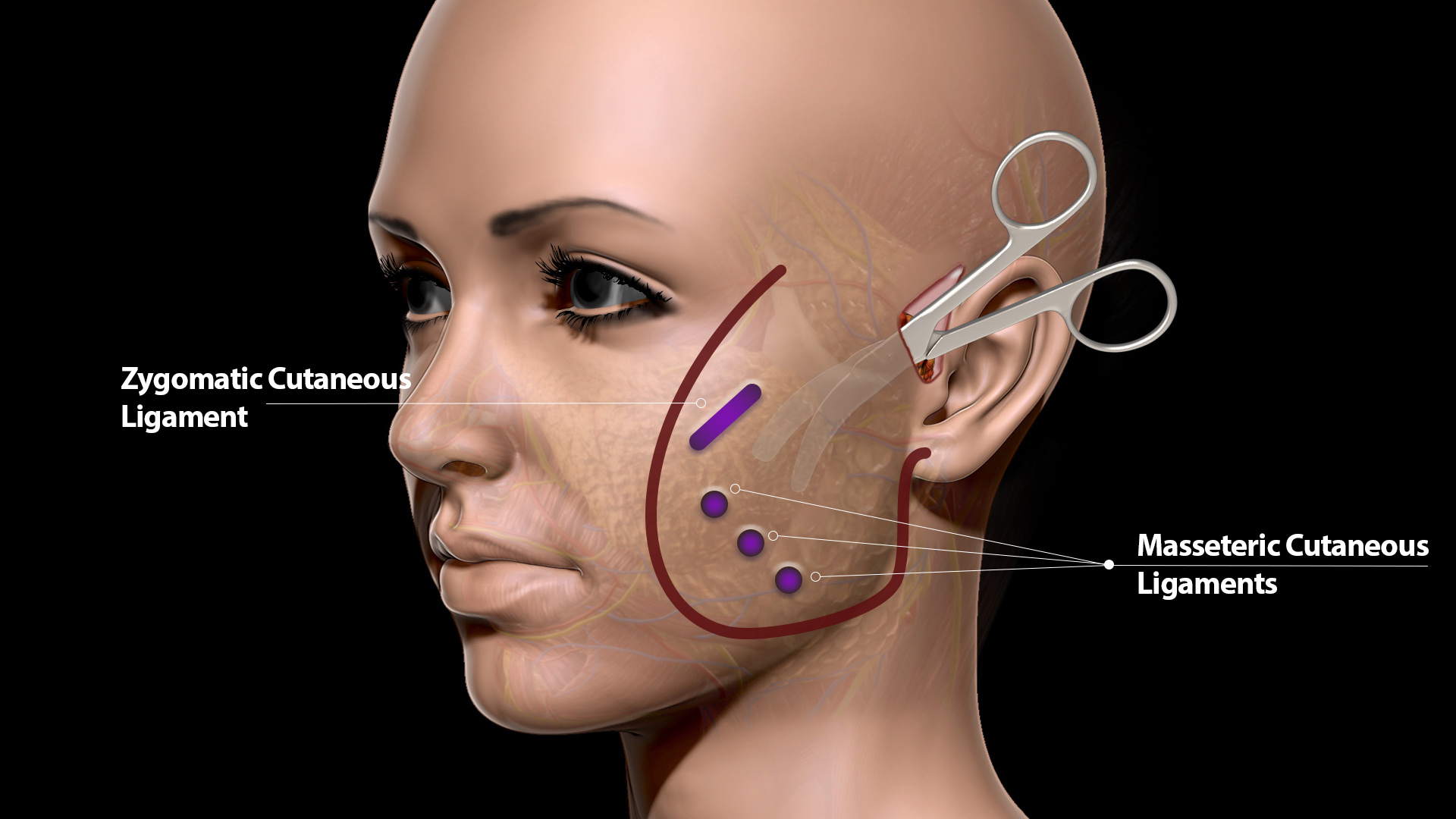
A 2D medical illustration project was prepared for the presentation of Plastic Surgeon Op. Dr. Ayhan Okumuş.
The project features informative visuals related to facelift procedures in middle-aged individuals, aiming to clearly convey key aspects of the operation.
Presentations covering dental procedures such as surgeries, implants, and fillings can be prepared both as animations and in traditional slide formats by dental and maxillofacial professionals.
These presentations allow detailed explanations of the procedures, providing patients and viewers with clear and comprehensive information.
Spinal models and storyboard visuals prepared for a laminectomy procedure.
This work is designed to visually plan and illustrate each stage of the surgical process in detail.
Spinal models and storyboard visuals prepared for a laminectomy procedure.

Spinal models and storyboard visuals prepared for a laminectomy procedure.


Visualization of penile enlargement and penile thickening procedures prepared for Op. Dr. Yaşar Basaga.
This project includes a detailed medical illustration of the surgical steps involved in penile lengthening (penile elongation) and penile girth enhancement, designed to provide an accurate visual representation of the procedures for educational and clinical purposes.
You can take a look at the frequently asked questions
by users about Medical Animation.
Who can benefit from Medical Animation services?
Medical animation services are typically utilized by pharmaceutical companies involved in drug production and sales, doctors, dentists, educators, academic professionals, and marketing agencies (such as Novasta). These services help communicate complex medical concepts in an engaging and understandable way.
In which fields are medical animations or visualizations commonly used?
Medical animations and visualizations are primarily used for explaining and conveying complex surgical procedures to patients or students in a more comprehensible way. They are also used to demonstrate the potential organic effects of medications, anatomical information, and a variety of other purposes within the medical field.
Do you have anatomical knowledge? How do you create animations without this knowledge?
The main purpose of medical animation is to simplify complex surgical procedures into a format that is easily understandable for patients or users. In medical animations, the goal is not to capture realistic imagery but to adopt a style that offers the most accurate and simplified representation.
A living organism contains millions of details, and it is not feasible to be aware of all these details. However, during the initial stages of a project, thorough research and planning are essential, which may take time. In this process, depending on the type of animation or visualization, preliminary work is conducted to ensure that the anatomical information aligns with the client’s requirements and expectations.
How does the medical animation process work?
Like any type of animation, the medical animation process starts with planning. For example, let’s assume an animation will be created for a liposuction procedure. The plastic surgeon provides detailed videos and images of the operation. These visuals help determine which techniques will be used in the animation, among other specifics. The subsequent steps are similar to those in standard 3D animation production. For more details, you can check our article: How is 3D Animation Created?
How long do medical animation projects take?
Depending on the complexity of the requested work and the timeline, medical animation projects can be completed in as little as one week or extend up to a period of 7-8 months.
What are the prices for medical animations?
The prices for medical animations vary significantly depending on the complexity of the animation and the timeline. However, medical animation and visualization is a premium service. It requires a considerable amount of time spent at the computer, and the animation team can consist of up to 8-9 members.
Do you provide voiceover in medical animations?
Yes, our animations include both music and voiceover services. We offer a wide range of solutions, including professional voice actors, AI-assisted voice generation, and subtitles, depending on your preferences.
How are revisions and feedback handled?
Medical animation services are very much like a tailor-made process. To avoid delays, it is essential to follow the process closely with the client or subject matter expert at every stage of the project. Revisions are a natural part of the medical animation process, as long as they are reasonable and contribute to the final result.


